
Sustainable Italian Leather: Tradition That Looks Forward
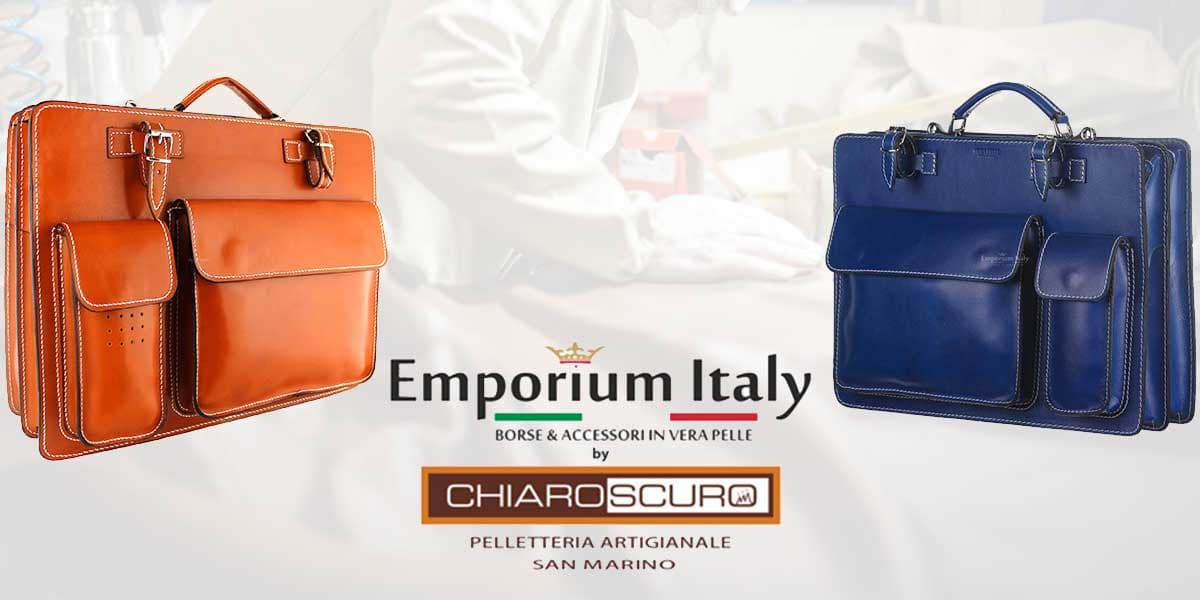
In an era where every consumer choice becomes a declaration of values, sustainable Italian leather stands as a silent witness to a tradition that has always looked to the future. According to UNIC (National Union of Tanning Industry) data, the Italian tanning sector represents 65% of European production and 23% of global production, with an annual turnover of approximately 4.6 billion euros. A leadership that is not based only on numbers, but on an approach to quality that naturally integrates sustainability.
The art of vegetable dyeing: when nature tints luxury
The traditional process of vegetable tanning
The magic begins with the expert hands of Tuscan master tanners. Like modern alchemists, they transform extracts from bark, roots, leaves, and fruits into color palettes that no chemical laboratory could ever replicate.
Vegetable dyeing develops through precise phases:
- Preparation of tannins: Vegetable extracts are obtained mainly from quebracho, chestnut, mimosa, and oak - plants rich in natural tannins.
- Progressive immersion: After being prepared through the riverbank phase (soaking, liming, and deliming), the hides are immersed in vats containing increasing concentrations of tannins.
- Manual padding: Unlike immersion dyeing, the padding technique involves manual application of color to the leather surface, allowing unique and unrepeatable shades.
- Natural aging: The leather is left to rest in environments with controlled temperature and humidity, allowing the tannins to completely bind to the fibers.
A report by the Consortium of Italian Vegetable-Tanned Leather (https://www.pellealvegetale.it/) from 2023 highlights how this traditional method requires an average of 30-40 days, compared to 24-48 hours for industrial processes that use chrome and other chemical agents.
Certified environmental benefits
The benefits of vegetable tanning are not just folkloric. The European Environment Agency has classified this technique as one of the lowest-impact practices in the tanning sector, with a 78% reduction in CO2 emissions compared to conventional methods.
The process:
- Uses substances that are 90% biodegradable
- Reduces water consumption by 35% compared to chrome tanning
- Produces waste that can be reused as fertilizers in agriculture
- Creates a hypoallergenic product, free of heavy metals and harmful compounds
Artisanal tradition: hands that tell stories
The legacy of historic workshops
In leather workshops like Chiaroscuro, every cut, every stitch, every finished edge tells a story of dedication. Italian artisans don't create simple accessories: they forge travel companions destined to last for generations, the perfect antithesis to the disposable culture that dominates the global market.
According to a study by the National Observatory of Italian Districts, a leather accessory made using traditional techniques has an average lifespan 4.5 times longer than equivalent industrial products. This longevity perhaps represents the most sustainable aspect of Italian artisanal leather goods.
The value of patina: the aesthetics of aging
The sustainability of Italian leather goods is also measured in terms of aesthetic evolution. A wallet or bag made with vegetable-tanned leather acquires that unique patina that the French call "le vécu" - the lived experience, the tangible experience of time.
Unlike chemically treated products, which tend to deteriorate and lose quality, vegetable-tanned leather:
- Becomes softer with use
- Develops unique shades based on exposure to light and use
- Adapts ergonomically to the owner
- Maintains structural properties for decades
This approach represents the most authentic form of eco-luxury fashion: products that don't chase seasonal trends but transcend them.

Tradition and innovation: a virtuous balance
The true innovation of Italian leather goods lies in its continuous looking to the past to reinvent the future. While McKinsey's "State of Fashion" 2023 report highlights how 72% of global brands are now implementing sustainability strategies, Italian craftsmanship has always integrated these practices into its production philosophy.
A concrete example: the Tuscan tanning district has reduced water consumption by 30% in the last ten years thanks to the implementation of recovery and purification systems, while keeping traditional processing techniques intact.
The circular economy of Italian leather goods
Companies like Chiaroscuro perfectly embody this circular vision. Our workshops:
- Recover and reuse production scraps for smaller accessories
- Apply design principles that minimize waste during the cutting phase
- Use energy from renewable sources to power the workshops
Our collections of bags and accessories represent the perfect meeting between contemporary functionality and production processes that respect the environment and people.
Discover the excellence of sustainable Italian leather goods
Choosing Italian leather today means reconnecting with a tradition that never needed to reinvent itself as sustainable, because it always has been. It means investing in objects that tell authentic stories, bearers of a cultural heritage that is renewed every day in the skilled hands of passionate artisans.
If you're looking to make more conscious choices without sacrificing quality and style, the Alex Maxi genuine leather work briefcase created by Chiaroscuro represents the embodiment of this philosophy. More than just an office bag, it is a manifesto of sustainability and excellence in craftsmanship, available in various colors obtained through the vegetable padding process.
Made from genuine Italian leather and structured to stand upright with elegance, this unisex bag combines practicality and refined aesthetics. Its two large internal compartments, functional external pockets, and even details such as umbrella holder straps reveal the maniacal attention to daily utility that only a true artisan can infuse into their creations.
Discover the Alex Maxi briefcases and let yourself be conquered by a piece of Italian history that will continue to tell your story, improving with time, just like your most precious memories.